Preserve natural motion
Disc replacement & laminoplasty
If a motion-preserving procedure can treat the condition, fusion is not the first recommendation.
UVA Health · New patientsUVA Health · Charlottesville · New patients
University of Virginia · Spine Surgery
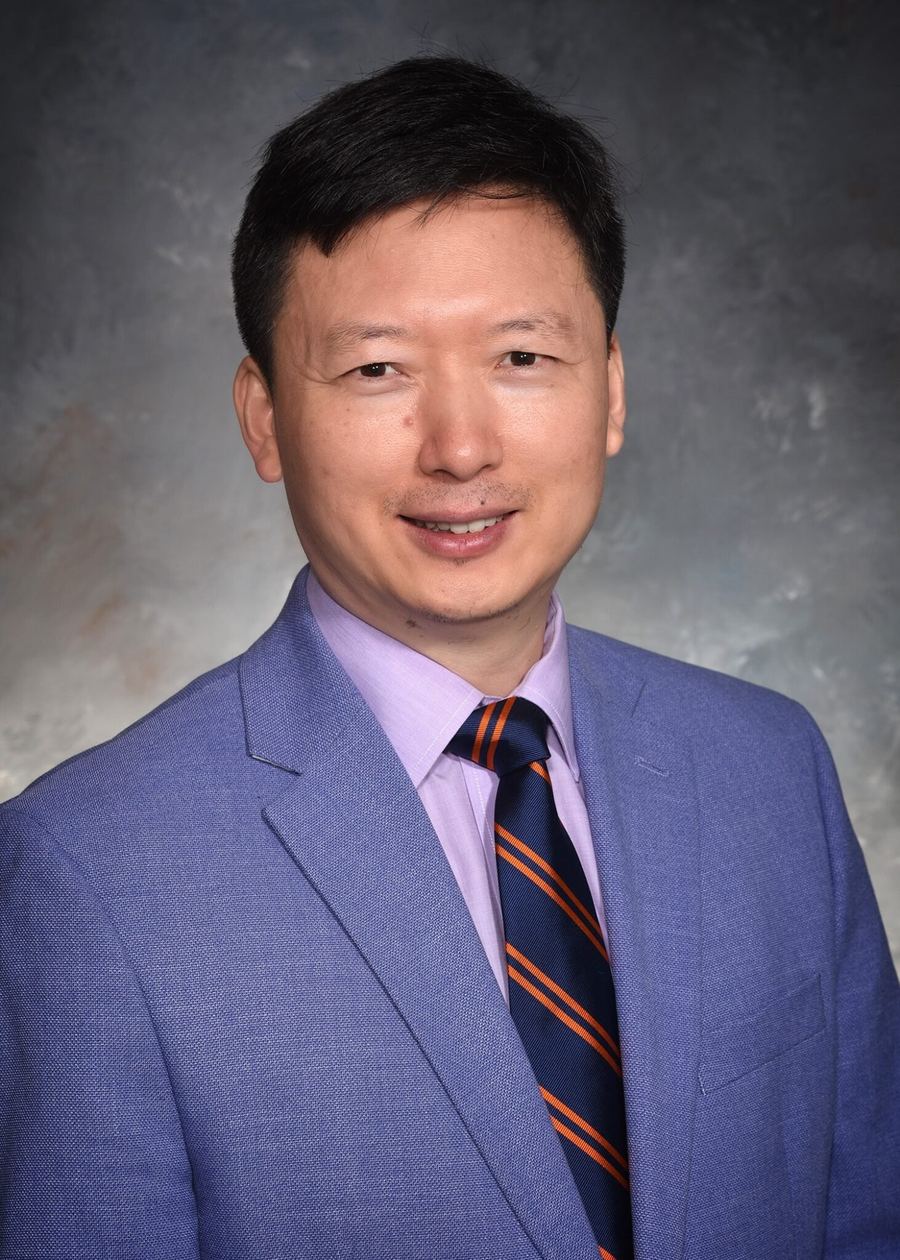
Vice Chair for Research, Mary M. Stamp Endowed Professor, Department of Orthopaedic Surgery
Professor, Department of Biomedical Engineering, University of Virginia
“I believe healing is a journey built on truth, compassion, and tolerance. Perhaps we were family in another lifetime — today, we take this step toward recovery together.”
8
NIH grants
Including active R01 awards
36+
Research grants
As PI or co-PI
2012
Kappa Delta Award
AAOS Young Investigator
How we operate
Preserve natural motion
If a motion-preserving procedure can treat the condition, fusion is not the first recommendation.
Least invasive solution
If minimally invasive surgery can fix the problem, a long open incision is not chosen.
Restore balance
From cervical myelopathy to adult deformity, alignment is planned so the spine can carry you through daily life.
Science, then surgery
A recognized NIH-funded lab studying disc degeneration, nanomedicine, and gene therapy — translated into evidence-based care.
Specialties
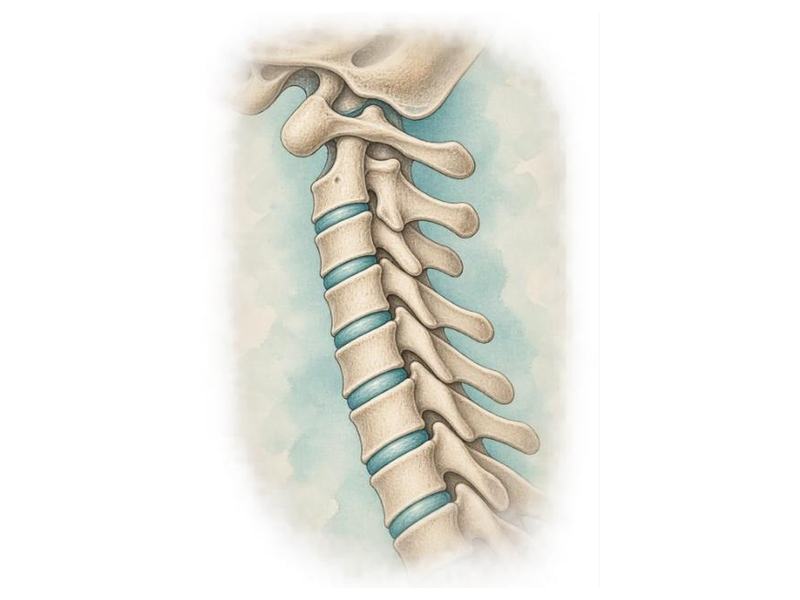
Neck surgery is planned around the spinal cord and the need to look, swallow, and turn. When the problem can be treated without fusion, that is the plan.
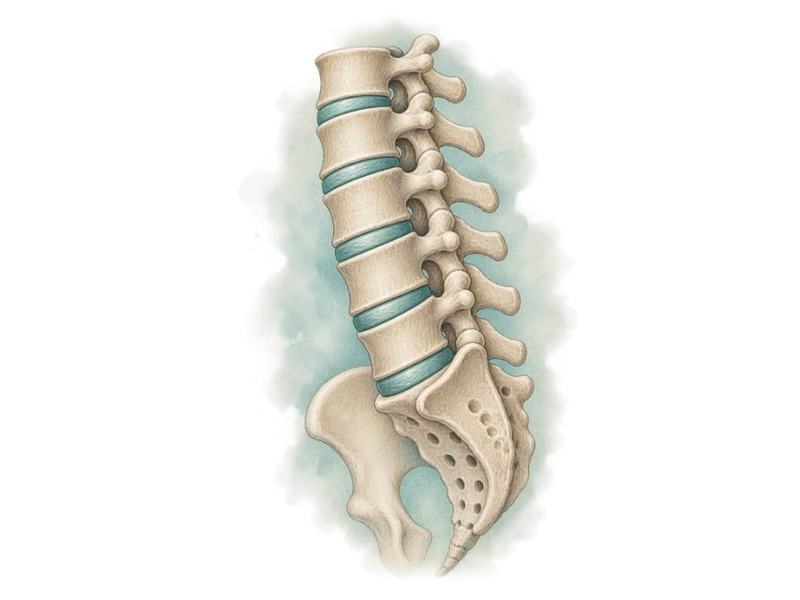
Low-back operations range from a tubular decompression the size of a dime to a reconstruction that restores lordosis. The smallest operation that solves the mechanical problem is the right one.
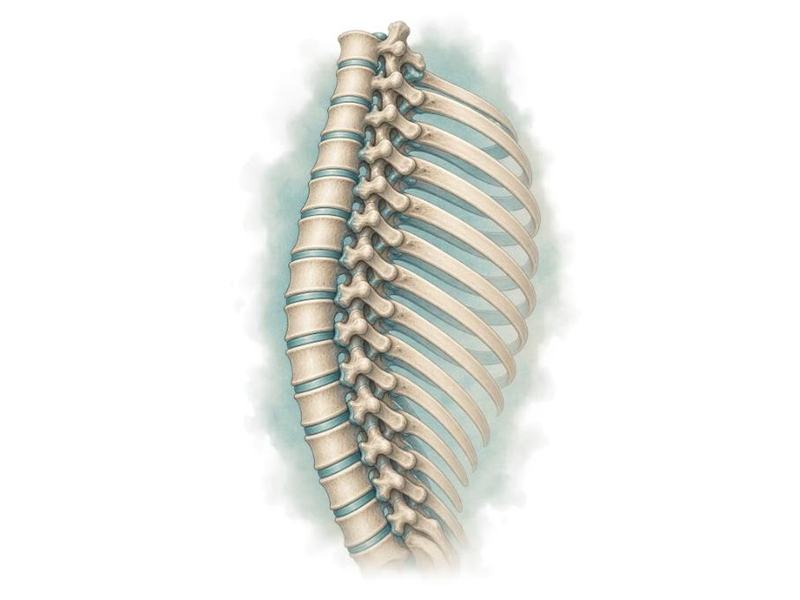
The mid-back is protected by the rib cage and is unforgiving of cord compression. Approaches are chosen to reach the disc or vertebral body without unnecessary cord manipulation.
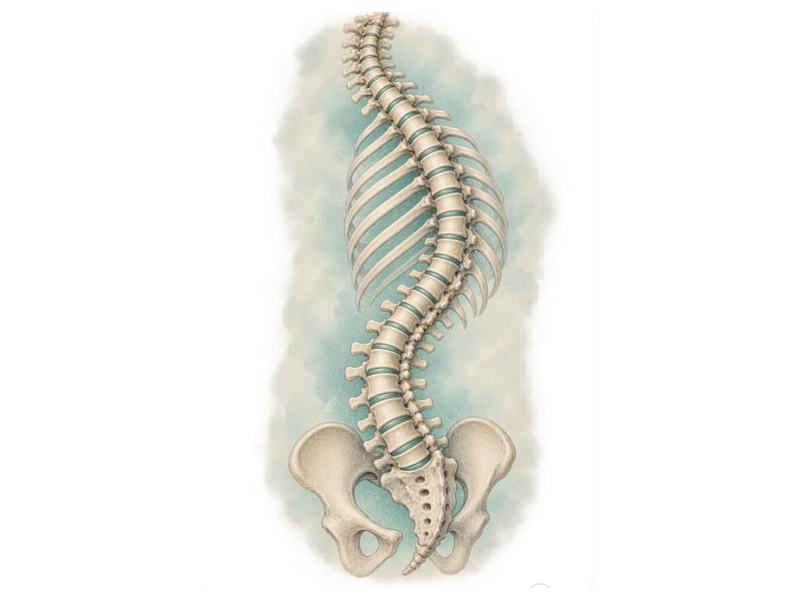
Scoliosis, kyphosis, and flatback are alignment problems. Reconstruction is designed so you can stand, walk, and look ahead — not so an x-ray looks straight at any cost.
Featured procedures
Cervical spine · Motion preserving
Motion-preserving treatment for a worn or herniated neck disc
Cervical spine · Motion preserving
Open the canal, keep the motion — the preferred multi-level myelopathy operation
Lumbar spine · Motion preserving
Decompress both sides of a tight lumbar canal through one small window
Deformity
Restore standing balance in adult and selected pediatric deformity
How Dr. Li chooses treatment
Start with ‘Do I need spine surgery?’, then the six decision pages below.
Both operations remove a worn or herniated neck disc from the front. The decision is what replaces it — a moving implant, or a fusion.
Both open the back of a tight neck. One hinges the canal like a door and keeps rotation. The other locks selected levels so the neck can heal still.
A tight lumbar canal can steal walking distance. The question is whether the bones are still stable — because a fusion done “just in case” is a fusion a patient has to live with.
A slipped vertebra on an MRI often leads patients to believe that fusion is inevitable. The more important question is not whether a vertebra has slipped, but why the patient has symptoms.
Motion preservation is a rule of honesty, not a religion. Some spines need to be made still so a person can stand, walk, and look ahead.
Robots do not perform spine surgery. They can help a surgeon plan, place implants, and work around complex anatomy. The useful question is not “robot or no robot,” but which operation this patient actually needs.
Already offered fusion? Request a second opinion.
Meet Dr. Li
I’m a spine surgeon at UVA, dedicated to helping patients restore motion, balance, and quality of life. I specialize in microscope-assisted cervical disc replacement, laminoplasty, and complex scoliosis reconstruction — and I will not recommend a fusion if a motion-preserving procedure can treat the condition.
Alongside clinic I lead an NIH-funded laboratory on disc degeneration, nanomedicine, and gene therapy. Recent recognition includes University of Virginia Patient Experience Award. Appointments are available in English and Mandarin Chinese.
In their words
“You have truly given me back the freedom to walk — something I no longer take for granted.”
“This was my first surgery ever (at age 31) and Dr. Li made everything so easy. I had my C7 disk replaced, and everything from the surgery, to the recovery, to the follow up have been painless and easy. Truly a great surgeon!”
Research
The laboratory opened at UVA in 2004. Work on disc degeneration, macrophage-targeted nanomedicine, and the coin test for cervical myelopathy is meant to change what we can offer patients — not only what we publish.
The laboratory
Conditions
FAQ
Joshua Li (Xudong Joshua Li) is a board-certified orthopaedic spine surgeon at the University of Virginia. He is Vice Chair of Research and the Mary M. Stamp Endowed Professor. He treats cervical, thoracic, and lumbar problems with an emphasis on keeping natural motion.
Not always. Many disc herniations and stenosis flares improve with time, therapy, and injections. Surgery is considered when weakness is progressive, walking or hand function is limited, or months of appropriate conservative care have not changed a mechanical problem. A full walk-through is at /do-i-need-spine-surgery.
No. If a motion-preserving procedure such as cervical disc replacement or laminoplasty can treat the condition, he will not recommend a fusion. If a minimally invasive decompression can fix the problem, he will not choose a long open incision.
The office is UVA Spine Care at 2280 Ivy Road, Suite 2304, Charlottesville, Virginia 22903. Call 434-243-3633.
Call 434-243-3633 or send a request from the contact page. New patients are accepted. Clinic visits are at UVA Spine Care on Ivy Road in Charlottesville.
Signature operations include microscope-assisted cervical disc replacement, laminoplasty, unilateral laminotomy with bilateral decompression (ULBD), and adult scoliosis reconstruction. He also performs fusion when it is the honest solution.
Yes. He sees patients in English and Mandarin Chinese. A short Chinese introduction, clinic address, and phone are at /zh.
Yes. New patients are welcome, including those already offered fusion. Call 434-243-3633. Bring recent MRI, the recommending surgeon’s note, and any prior operative reports. Referring physicians may fax records to 434-243-1539.
Appointments
New patients are welcome. Call the spine clinic or send a note — the team will help you find the right visit.